


 Sep 28, 2026
 0 Comment
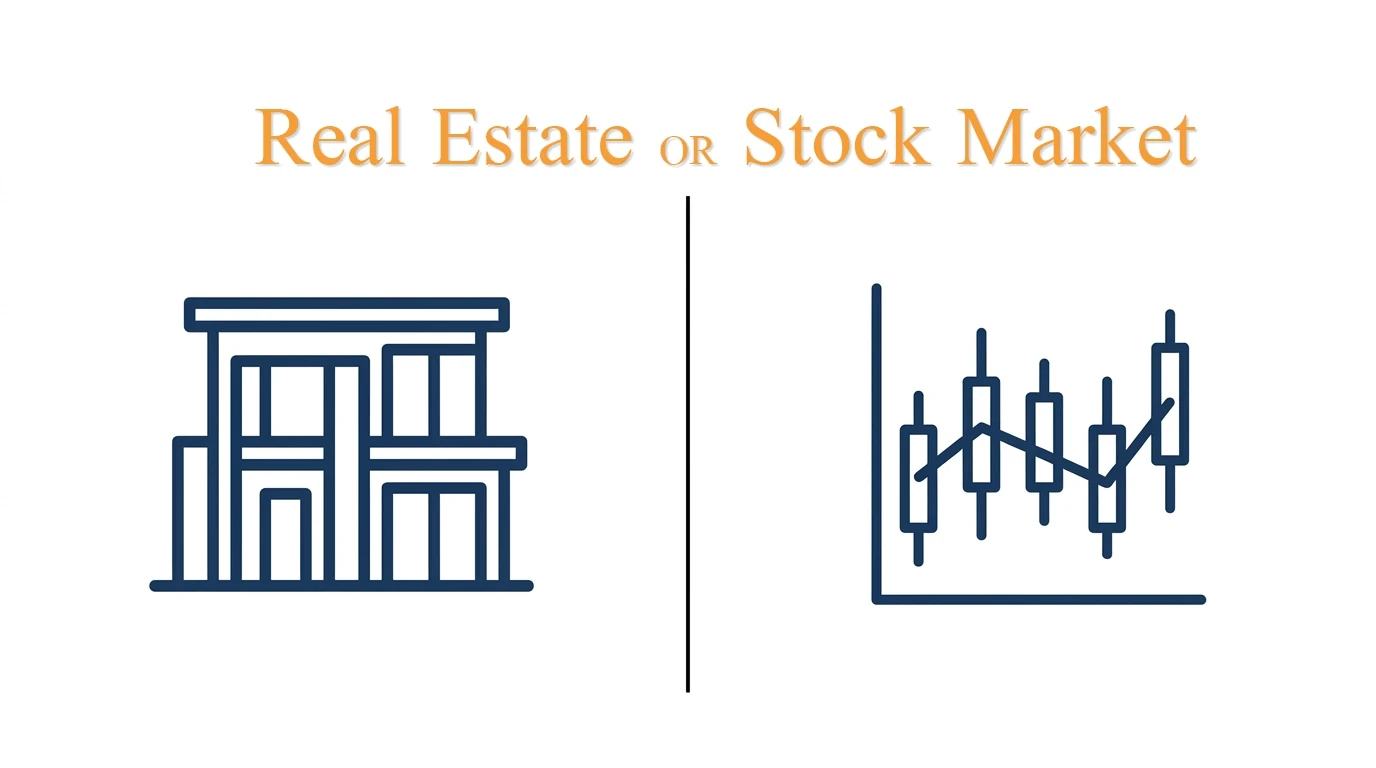
Real Estate vs Stock Market Investment in Bangladesh: Which Fits You in 2026?
Ask ten Bangladeshi investors where to put their savings and you will hear two answers more than any other: "buy land" or "buy shares." Both have made people money. Both have also caused real losses for people who entered at the wrong time or without understanding what they were buying. The honest answer to "which is better" is that it depends on your goals, your time horizon, and how much volatility and paperwork you can live with.
This guide compares the two asset classes side by side, using recent Bangladesh market data where it exists, so you can decide which fits your situation.
This article is for general information only and is not investment advice. Returns from any investment are not guaranteed and depend on market conditions and, for hospitality real estate, on actual property performance. Consider speaking with a licensed financial adviser before investing.
Quick Comparison
Factor Stock Market (DSE) Real Estate
Liquidity High. Shares can generally be sold within days Low. Selling can take months Minimum entry cost Low. You can start with a small amount High for direct ownership, lower with fractional models Transaction cost Comparatively low High. Registration and taxes can add roughly 6 to 14 percent Price volatility High, with sharp swings Lower day to day, but prices are less transparent Income potential Dividends, which vary by company Rental or hospitality income, depending on the property Tangibility Paper or digital holding Physical asset you can inspect Effort required Research and monitoring Due diligence, legal verification, management Best suited to Flexible, shorter to medium horizons Long horizons and capital preservation goals
How the Stock Market Has Behaved in Bangladesh
The Dhaka Stock Exchange gives investors easy access and daily liquidity, but its history shows how volatile it can be. In 2010, the exchange's benchmark index crossed 8,500 points before crashing in early 2011, an episode widely remembered as the 2011 share market scam, when a large number of retail investors lost money.
More recently, the market has been recovering after several subdued years. According to a half-yearly market review by Sheltech Brokerage Limited, reported by The Bangladesh Today in July 2026, the DSEX gained 19.11 percent in the first half of 2026 to close June at 5,762.83, while average daily turnover more than doubled. The same report noted that the outlook depends on reforms actually being implemented and on corporate earnings improving, and it cautioned that short-term volatility cannot be ruled out.
The takeaway is balanced. Equities can deliver strong periods, but they can also move sharply against you, and the market has a history of boom and bust cycles. Investors who need their money on a fixed date should be especially careful.
How Real Estate Has Behaved in Bangladesh
Property has a long record of holding and growing value in Bangladesh, particularly in Dhaka. The Institute for Planning and Development reported that Dhaka land prices rose by roughly 2,740 percent between 2000 and 2021, while flat prices rose by about 716 percent over the same period. That is an extreme example driven by Dhaka's land scarcity and rapid urbanization, and it should not be treated as a forecast for any other location. Past performance does not predict future results, and price growth has varied widely by area.
Real estate also plays a role as an inflation hedge. Inflation in Bangladesh rose to 9.42 percent in May 2026, the highest in 16 months, according to market analysis reported that month. When general prices rise, hard assets like land and buildings have historically tended to hold their real value better than idle cash, although this is a tendency and not a rule.
The Cost Most Comparisons Skip: Transaction Costs
This is where the two asset classes differ most sharply, and where many first-time property investors get surprised.
Reporting in January 2026 put the registration cost for land, plots, and flats in Dhaka metropolitan areas at around 12.5 percent of property value, made up of stamp duty, registration fee, local government fee, VAT, and advance income tax. Other 2026 estimates put total registration costs anywhere from about 6 percent to 14 percent, depending on the property type and whether it sits in a city corporation, municipality, or union parishad. A national tax reform committee has recommended cutting these costs by half, but that is a proposal and not current law.
What this means in practice: if you buy a property and sell it soon after, transaction costs alone can wipe out a meaningful part of any gain. Real estate rewards patience. If you might need the money within a year or two, it is usually the wrong vehicle.
Stock market transaction costs are generally far lower, which is one reason shares suit shorter horizons better.
Comparing the Two, Factor by Factor Liquidity
Shares win clearly. You can usually sell listed stocks within days. A property sale can take months, and in a slow market you may need to accept a lower price to sell quickly.
Entry Cost
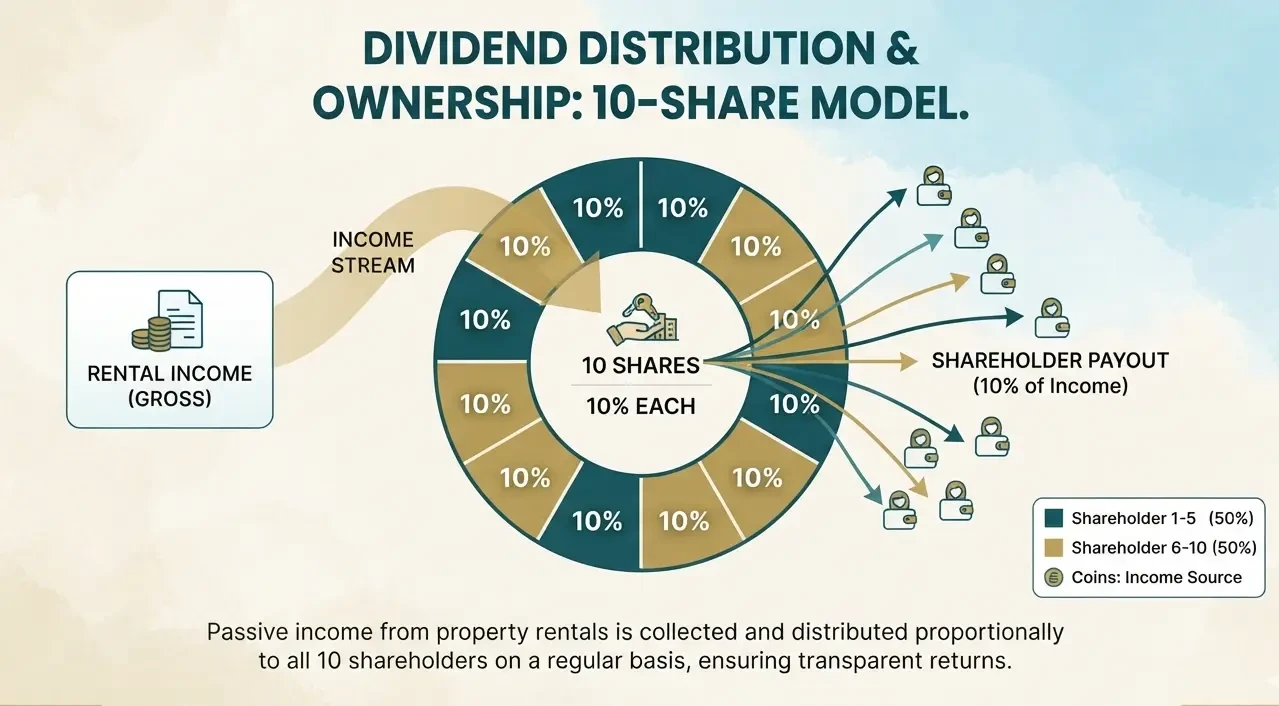
Stocks let you start small. Traditional real estate needs a large lump sum. Newer fractional ownership models, where a villa or hotel unit is divided into shares, lower the entry point and let investors take a proportional stake in a professionally managed property instead of funding an entire asset alone.
Volatility
Stock prices move daily and can swing sharply. Property prices move more slowly, but that partly reflects less frequent, less transparent pricing rather than genuinely lower risk. A property can lose value, and you may not see it until you try to sell.
Income
Stocks may pay dividends, but payouts vary by company and year. Real estate can generate rental or, in hospitality properties, operating income, though income depends on occupancy, location, seasonality, and management quality.
Control and Transparency
With stocks you rely on company disclosures and market data. With property you can inspect the asset yourself, but you must verify title, mutation, and approvals independently. Legal due diligence is not optional in Bangladesh real estate.
Time Horizon
Stocks can suit any horizon but reward discipline. Real estate generally suits five years and beyond, given transaction costs and slower price discovery.
Which One Is Right for You?
Stocks may suit you if:
- You want to start with a smaller amount
- You may need access to your money on short notice
- You are comfortable watching prices move and doing your own research
Real estate may suit you if:
- You have a long horizon and want a tangible asset
- You want exposure that is not tied to daily market sentiment
- You are prepared to complete proper legal and title verification
Many investors use both. Holding some capital in liquid, market-linked assets and some in longer-term property spreads risk, because the two do not always move together.
Where Fractional Real Estate Fits
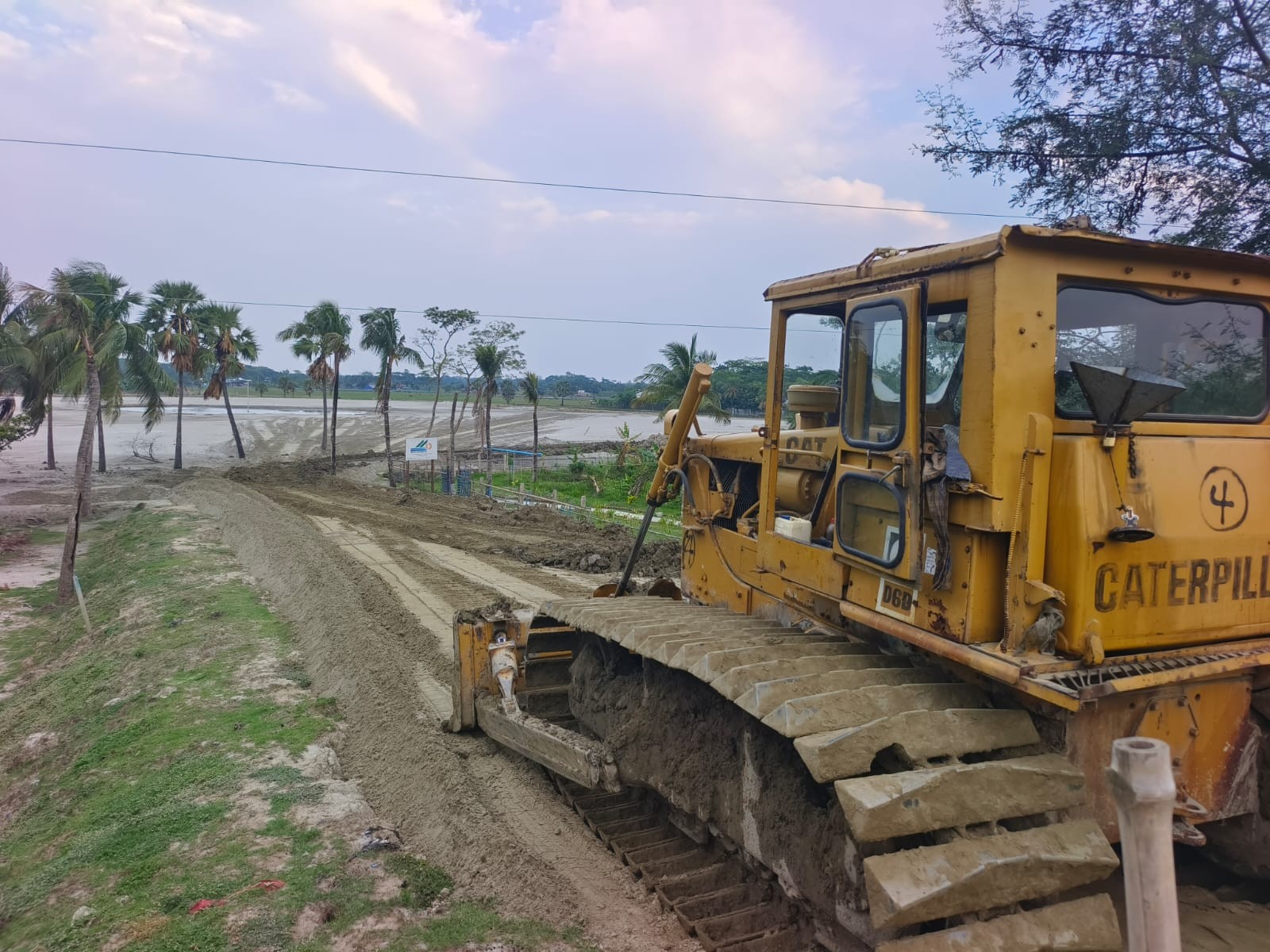
Fractional hospitality ownership sits between the two worlds. It offers the tangible, asset-backed nature of real estate with a lower entry cost than buying a whole property, and it can provide income potential through professionally managed operations. It remains a long-term, illiquid commitment, and returns depend on actual property performance, so it should be evaluated with the same care as any other investment. Projects such as Sagarneela Luxury Resort in Kuakata follow this model for investors interested in coastal tourism real estate.
Frequently Asked Questions
Is real estate safer than the stock market in Bangladesh? Neither is risk free. Real estate tends to be less volatile day to day and less exposed to market sentiment, but it is illiquid and carries high transaction costs and legal risk if title is not verified. Stocks are more liquid but can fall sharply.
How much does it cost to register property in Bangladesh? Reporting in 2026 puts the cost at around 12.5 percent in Dhaka metropolitan areas, with wider estimates of roughly 6 to 14 percent depending on location and property type. Confirm current rates with a lawyer before buying, since fees and taxes change.
Can I invest in both real estate and stocks? Yes, and many investors do. Splitting capital across both can reduce reliance on any single market.
How long should I hold real estate? Because of high transaction costs, property generally suits a holding period of several years. Short-term flipping is harder to make profitable in Bangladesh after fees and taxes.
Is the DSE recovering in 2026? The DSEX rose 19.11 percent in the first half of 2026 according to a Sheltech Brokerage review, though analysts cautioned that continued gains depend on reforms and corporate earnings, and volatility remains possible.
If you are considering the long-term, asset-backed side of this comparison, you can explore how fractional ownership works at Sagarneela Luxury Resort in Kuakata. Projected returns are estimates only and depend on actual resort performance.





0 Comment