


 Oct 04, 2026
 0 Comment
How NRBs Can Invest in Bangladeshi Real Estate: A Complete Guide
For many Non-Resident Bangladeshis, owning property back home is not just an investment decision, it is an emotional one too. The good news is that the legal path is more straightforward than for foreign nationals. The part that trips people up is usually not the law itself but the banking mechanics: which account to open, how to move money the right way, and what happens when it is time to sell.
This guide walks through the process end to end.
This article is for general information only and is not legal, tax, or investment advice. Banking rules, remittance procedures, and repatriation requirements can change, and your specific situation may differ. Confirm current requirements with your bank and a qualified lawyer before transferring funds or signing any agreement.
Do NRBs Have the Same Property Rights as Residents?
Yes. Non-Resident Bangladeshis hold the same property ownership rights as resident citizens. Unlike foreign nationals, who generally need government approval through the Bangladesh Investment Development Authority before owning property directly, NRBs do not need special permission to buy residential, commercial, or hospitality real estate. The one notable restriction is agricultural land, which NRBs generally cannot purchase directly, though it can still be acquired through inheritance.
The Single Biggest Mistake: Using the Wrong Bank Account
This is where many first-time NRB buyers go wrong, and it is worth understanding clearly before you send any money.
Bangladesh Bank regulations set up two different account types for non-resident Bangladeshis, and they are not interchangeable.
Account Type Purpose Can It Be Used for Property?
Non-Resident Investor's Taka Account (NITA) Buying listed shares and securities on the stock exchange No. Funds in a NITA are restricted to portfolio investments Private Non-Resident Taka Account (NRTA) General local currency transactions, including property purchases Yes. This is the correct account for buying real estate
A NITA account cannot be used to pay for land, a villa, or a flat, and funds cannot simply be moved from a NITA into a property purchase. If you are buying real estate, you need a Private NRTA, opened with an Authorized Dealer bank in Bangladesh.
Step by Step: How to Fund a Property Purchase as an NRB Step 1: Open a Private NRTA
Visit or contact a Bangladesh Bank Authorized Dealer branch (most major banks, including those with NRB-focused services, offer this) and open a Private Non-Resident Taka Account. Many banks now support remote account opening for NRBs through eKYC, so a trip home is not always required just to open the account.
Step 2: Remit Funds Through a Proper Banking Channel
Transfer your investment funds into the NRTA from abroad through official banking channels. This step matters more than it might seem. It creates what banks refer to as an inward remittance trail, which is the documented proof that your money entered Bangladesh legitimately through the formal banking system rather than informal or cash channels. This trail becomes essential later if you ever want to sell the property and repatriate the proceeds abroad.
Step 3: Pay the Seller or Developer From the NRTA
Payments should be made using a bank pay order or an account payee cheque issued from your NRTA, not cash. This keeps a clean, bank-verified record of the transaction on both ends.
Step 4: Complete Registration and Mutation
Property registration in Bangladesh follows the same process for NRBs as for resident buyers: deed registration at the Sub-Registrar's Office, followed by mutation (Naam Jari) to update the land record in your name. If you are not physically present in Bangladesh, a Power of Attorney, properly executed and legalized abroad, allows a trusted representative to complete these steps on your behalf.
Step 5: Keep Every Document
Retain your remittance certificates, bank statements, the registered deed, and mutation papers. These documents matter not only for proving ownership but specifically for what comes next.
What Happens When You Want to Sell
This is a detail that often surprises NRB investors, and it is worth knowing before you invest, not after.
Unlike the stock market, where NITA allows relatively automatic repatriation of sale proceeds, selling property as an NRB requires specific permission from Bangladesh Bank along with an Encashment Certificate before the proceeds can be sent abroad. This is not usually a difficult process if your original purchase was properly documented through an NRTA with a clear remittance trail, but it is an extra administrative step that does not exist for share trading. Budget time for it, and keep your original remittance documentation from the time of purchase since you will likely need it again at the time of sale.
Documents You Will Typically Need
- Valid Bangladeshi passport or National ID
- Tax Identification Number (TIN)
- Proof of remittance from your foreign bank account
- Property deed, mutation certificate, and registration documents once the purchase is complete
- Power of Attorney documentation, if you are purchasing or managing the property remotely
How This Applies to Fractional Hospitality Investment
Everything above applies just as much to fractional ownership in a resort or villa development as it does to buying a flat or plot outright, since you are still acquiring a real ownership stake in registered property, just at a smaller, shared scale. For NRBs specifically, a few features of this model are worth paying attention to:
- Structured installment plans. Rather than remitting one large lump sum, some developers allow payments in installments over an extended period, which can be easier to manage against a regular remittance schedule from abroad than a single large transfer.
- Resale and transfer terms. Confirm upfront whether your share can be resold or transferred later, and under what conditions, since this affects your long-term exit options as an overseas investor.
- Developer certification. Membership in recognized industry bodies, such as REHAB (the Real Estate & Housing Association of Bangladesh), is a reasonable credibility signal worth checking for any developer you are considering, alongside direct verification of land title and registration status.
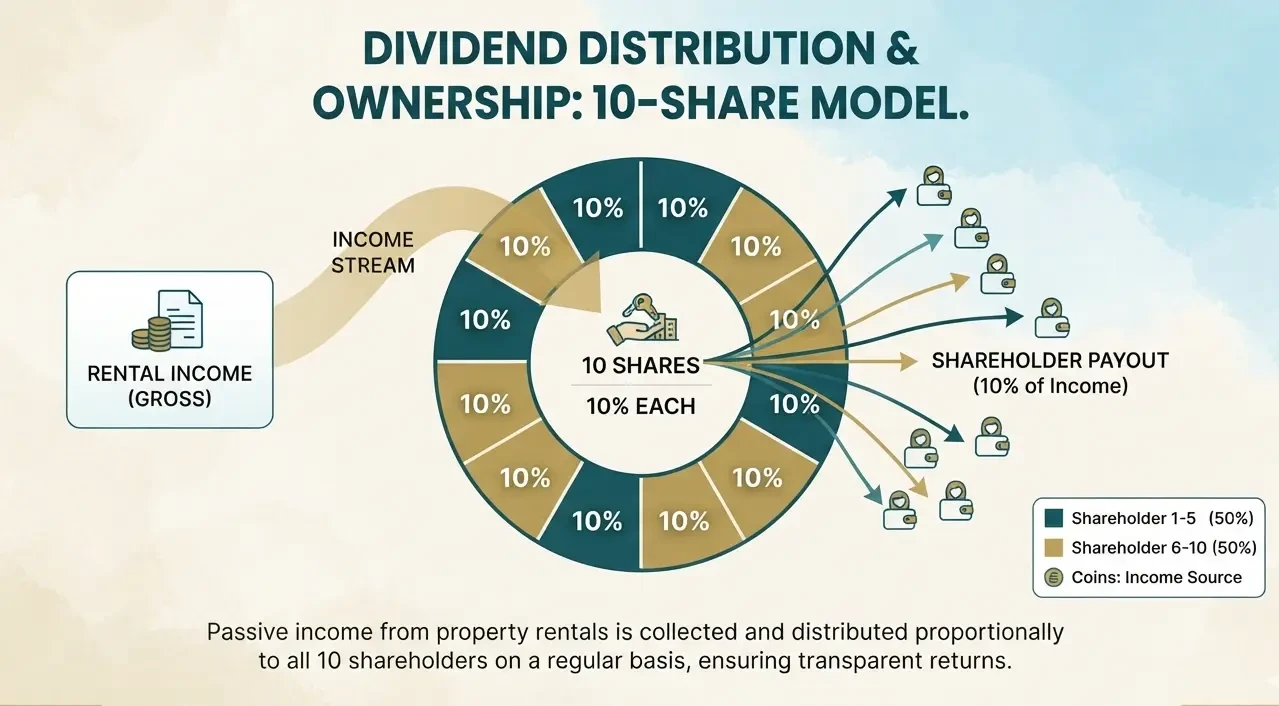
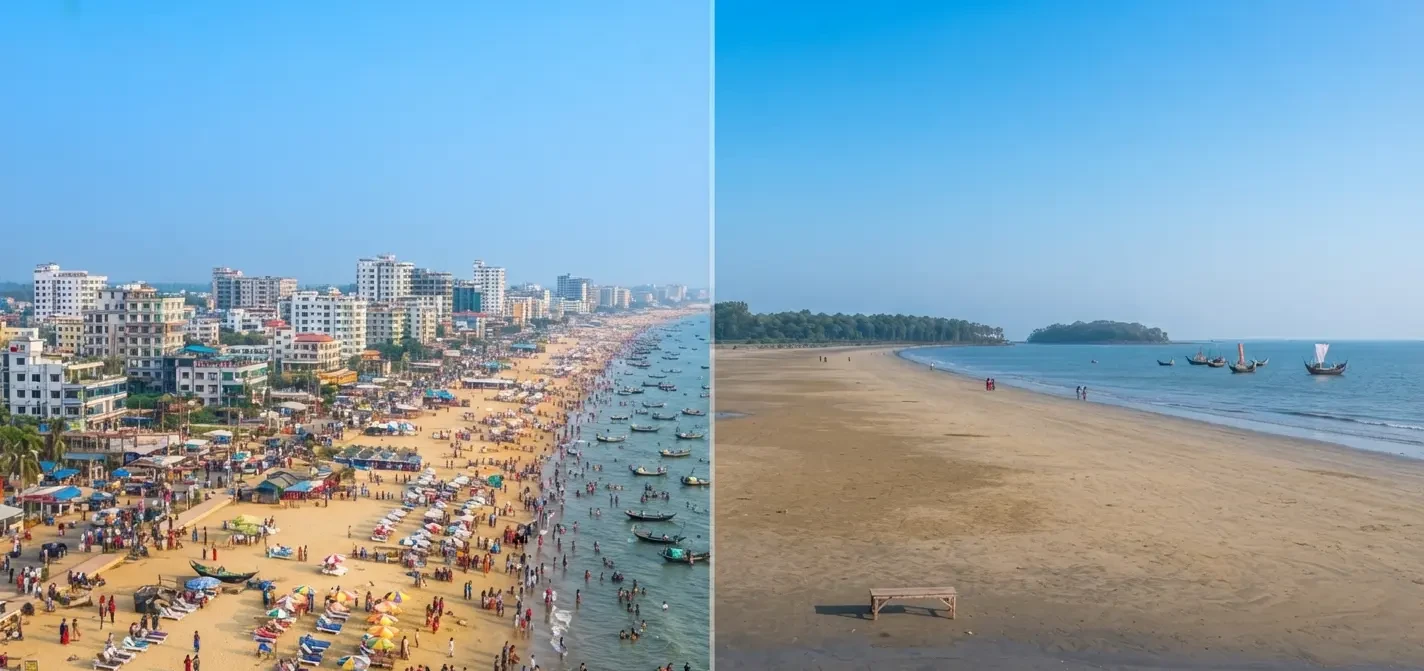
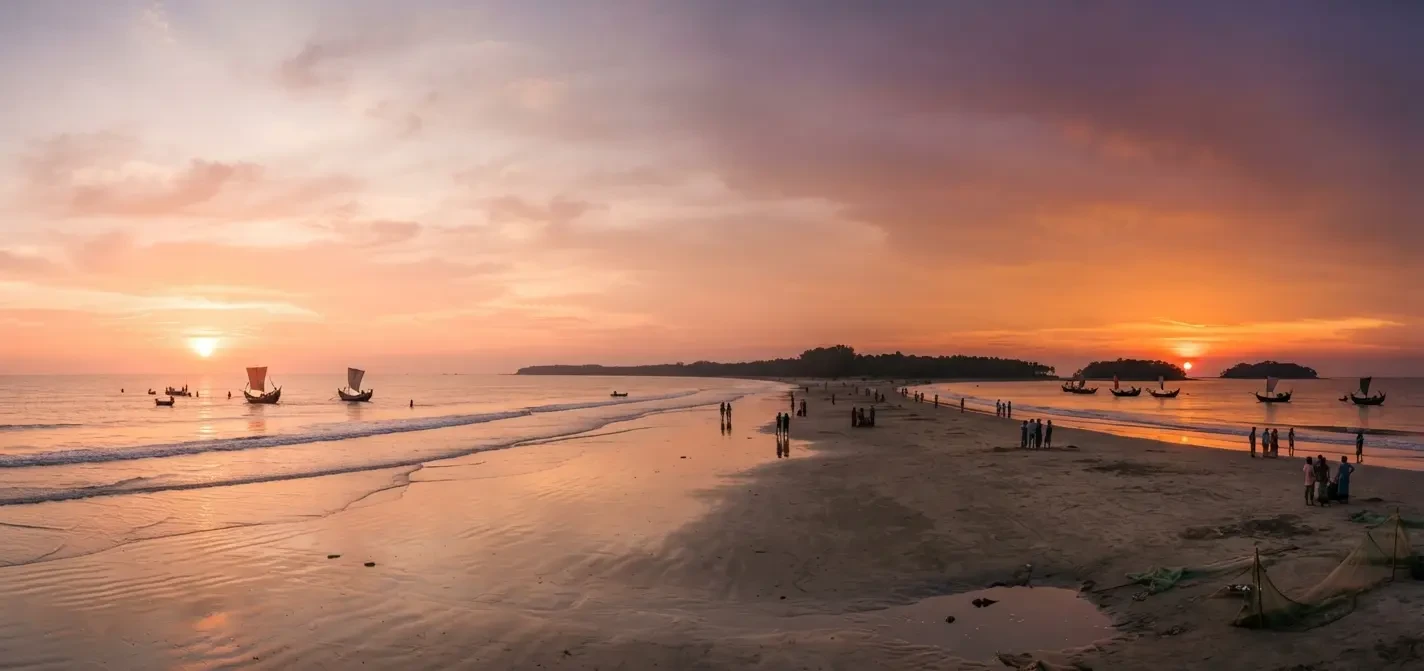
Sagarneela Luxury Resort in Kuakata, for example, offers villa and hotel share investment with payment plans structured over 36 months, permits resale and transfer of ownership shares, and is developed by a REHAB-certified member. Profit distribution is estimated rather than guaranteed, and depends on the resort's actual occupancy and operating performance once it is running, so any projected figures should be treated as potential outcomes rather than fixed returns.
Frequently Asked Questions
Can NRBs use a NITA account to buy property in Bangladesh? No. A NITA is restricted to stock market investments. Property purchases require a Private Non-Resident Taka Account (NRTA) instead.
Do NRBs need government approval to buy property in Bangladesh? No. NRBs have the same property rights as resident citizens and do not need special government approval, unlike foreign nationals, who generally require approval for direct ownership.
Can an NRB buy property in Bangladesh without traveling there? Yes, through a properly executed and legalized Power of Attorney, a trusted representative can complete the purchase, registration, and mutation process on your behalf.
Is it harder to get money out of Bangladesh after selling property compared to selling shares? Yes, somewhat. Share sale proceeds through a NITA account can generally be repatriated with fewer extra steps, while property sale proceeds require specific Bangladesh Bank permission and an Encashment Certificate, which takes additional time and documentation.
Can NRBs buy agricultural land in Bangladesh? Generally no, not through direct purchase, though agricultural land can still be acquired through inheritance.
If you are exploring fractional ownership as an NRB investor, you can review the current payment structure and ownership terms for Sagarneela Luxury Resort in Kuakata. Profit figures referenced for this project are estimates only and are not guaranteed.


0 Comment