


 Aug 24, 2026
 0 Comment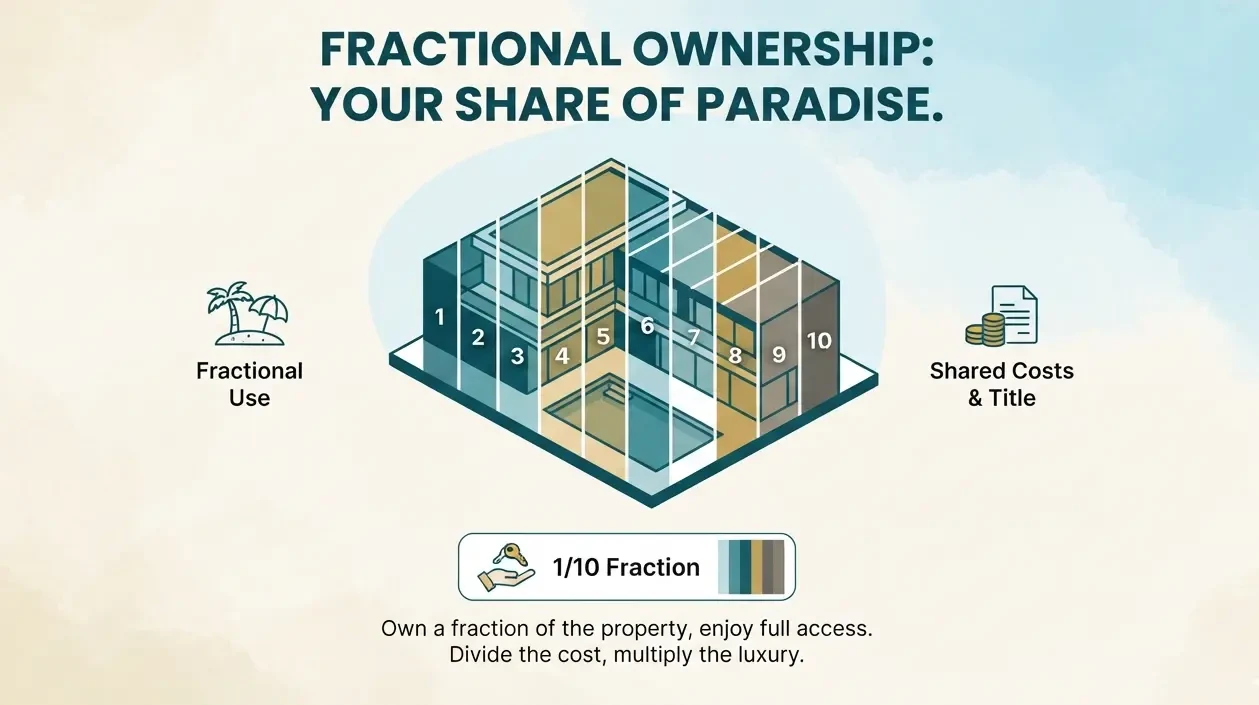
Fractional Ownership Real Estate in Bangladesh - Complete Guide
Fractional Ownership Real Estate in Bangladesh: How It Works and Why It's Gaining Ground
Owning a beachfront villa or a share in a resort used to mean one thing in Bangladesh: buying the entire property outright, with the entire cost, maintenance burden, and risk that comes with it. Fractional ownership changes that equation - and it's quickly becoming one of the more talked-about ways to invest in Bangladesh's growing tourism real estate sector.
Here's a complete breakdown of what fractional ownership actually is, how it works locally, and who it makes sense for.
What Is Fractional Ownership Real Estate?
Fractional ownership is a model where a single property - typically a villa, resort unit, or hotel - is divided into shares, and multiple investors each purchase a portion of it. Instead of one person owning 100% of a property, ten investors might each own 10%, splitting both the cost and, proportionally, the returns.
This is different from timeshares, where you're mainly buying usage rights for a set number of days per year. With fractional ownership, you're buying actual equity in the underlying real estate asset - meaning your share can appreciate in value, generate rental income, and be sold or transferred, much like any other real estate investment.
How Fractional Ownership Works in Practice
- A property is divided into a fixed number of shares - for example, a resort might be split into 20 or 50 equal ownership units.
- Investors purchase one or more shares, becoming partial legal owners of the property (structure depends on the developer's legal framework - more on this below).
- The property is professionally managed - usually by the developer or a designated management company - so individual owners aren't responsible for day-to-day operations, maintenance, or guest bookings.
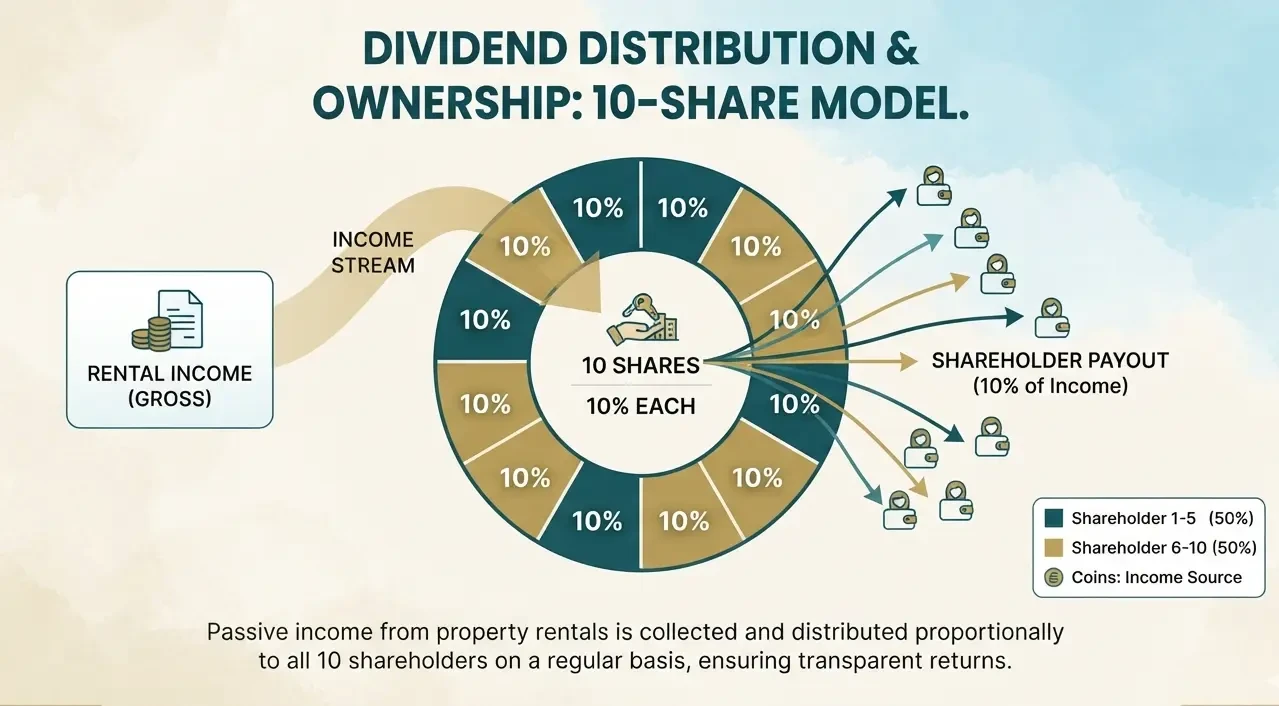
- Returns are distributed proportionally, typically through a combination of:
- Rental/hospitality income (if the property operates as a hotel or resort)
- Capital appreciation when the property or individual shares increase in value over time
- Owners may also receive personal usage rights - a set number of nights per year at the property, depending on the developer's model.
Why Fractional Ownership Is Gaining Traction in Bangladesh
A few forces are converging to make this model more relevant right now:
- High entry cost of full property ownership - particularly for prime coastal and tourism real estate, where land and construction costs have risen sharply. Fractional ownership lowers the barrier to entry significantly.
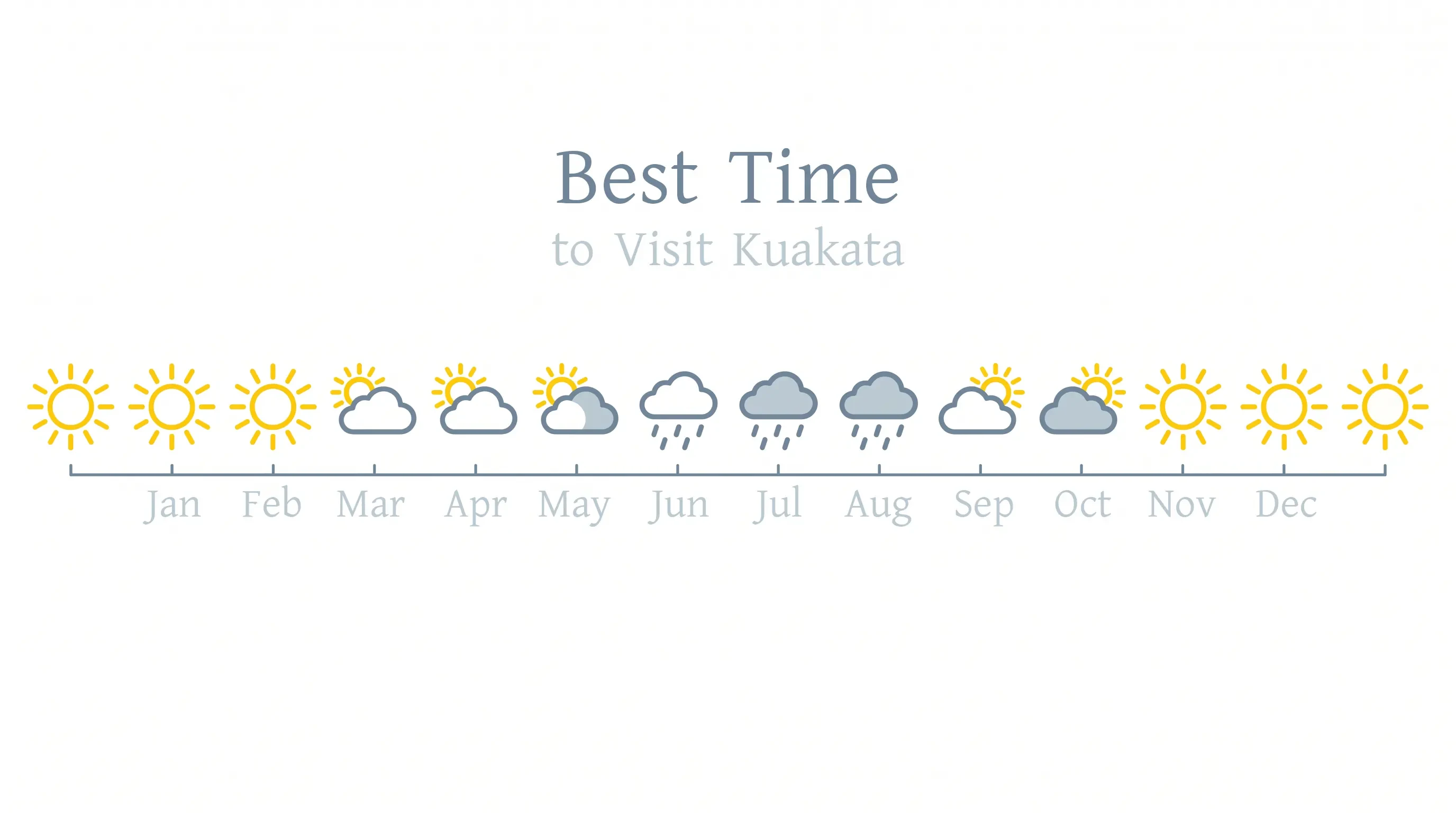
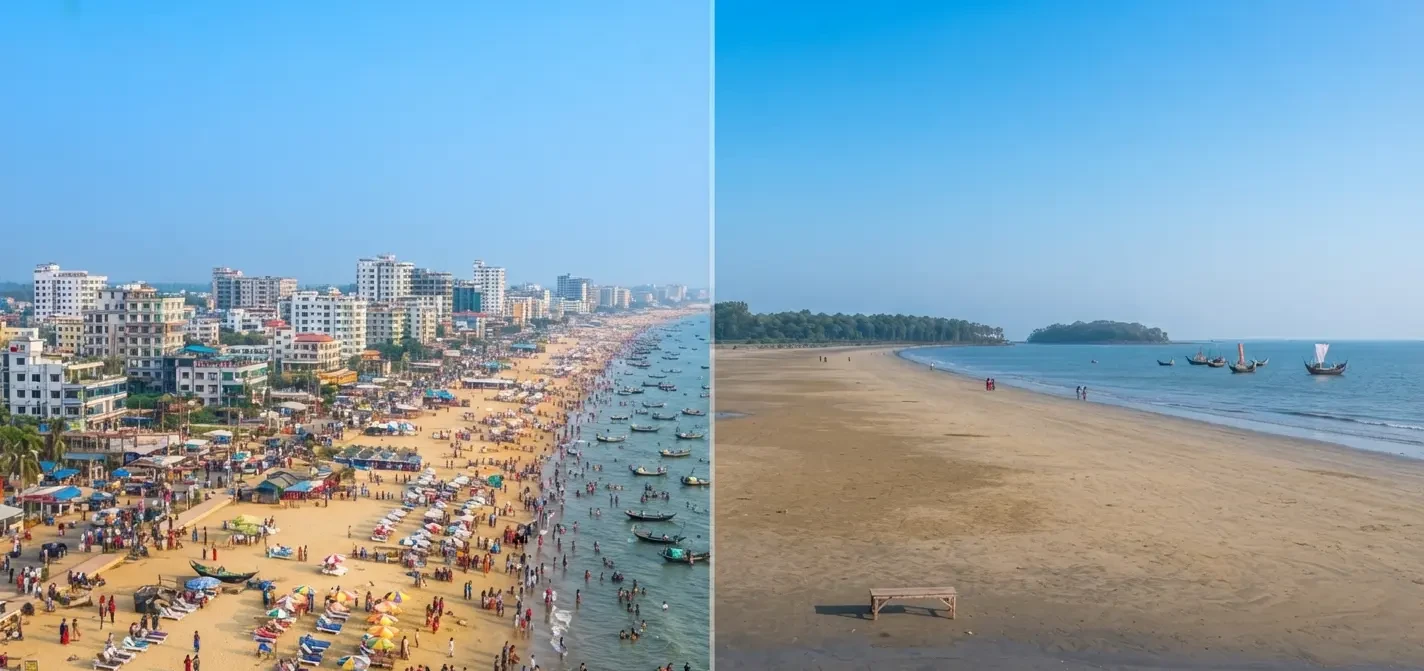
- Growing coastal tourism development - as destinations like Kuakata open up (driven by infrastructure like the Padma Bridge and Payra Airport), demand for hospitality-grade real estate is rising faster than most individual investors can capitalize on alone.
- Diversification appeal - instead of committing full capital to one property, investors can spread smaller amounts across multiple shares or projects.
- Passive income structure - professional management means owners don't need hospitality or property management experience to benefit from tourism real estate returns.
What to Look for Before Investing
Fractional ownership can be a genuinely sound investment model, but the details matter more than the concept. Before committing, investors should look closely at:
- Legal ownership structure - is the share a registered legal ownership stake in the property, or a contractual/membership interest? This distinction affects your rights, resale ability, and legal protection.
- Management track record - since returns depend heavily on how well the property is operated, the developer's hospitality management experience (or partnership with an established operator) matters significantly.
- Exit and resale terms - can shares be sold or transferred, and under what conditions? A liquid resale path is a meaningful factor in long-term returns.
- Revenue transparency - how is rental/hospitality income calculated and distributed, and how often are owners updated on occupancy and earnings?
- Location fundamentals - fractional ownership doesn't offset a weak location. The underlying property's tourism demand, accessibility, and growth trajectory still drive the investment's real value.
Who Is Fractional Ownership Best Suited For?
- Investors who want exposure to tourism/hospitality real estate without the capital requirement or operational burden of owning an entire property
- Those looking to diversify a portfolio with a tangible, income-generating asset class
- Buyers interested in personal use plus investment - combining vacation access with a financial return
- Investors comfortable with a medium-to-long-term horizon, since real estate appreciation and hospitality income typically build over years, not months
Fractional Ownership in Context: The Kuakata Example
This model is particularly well-suited to emerging coastal destinations like Kuakata, where the tourism growth story is strong but individual investors may not have the capital - or appetite for risk - to buy and develop an entire beachfront property alone. Fractional ownership allows multiple investors to collectively fund a professionally managed resort or villa development, sharing both the entry cost and the upside as the destination matures.
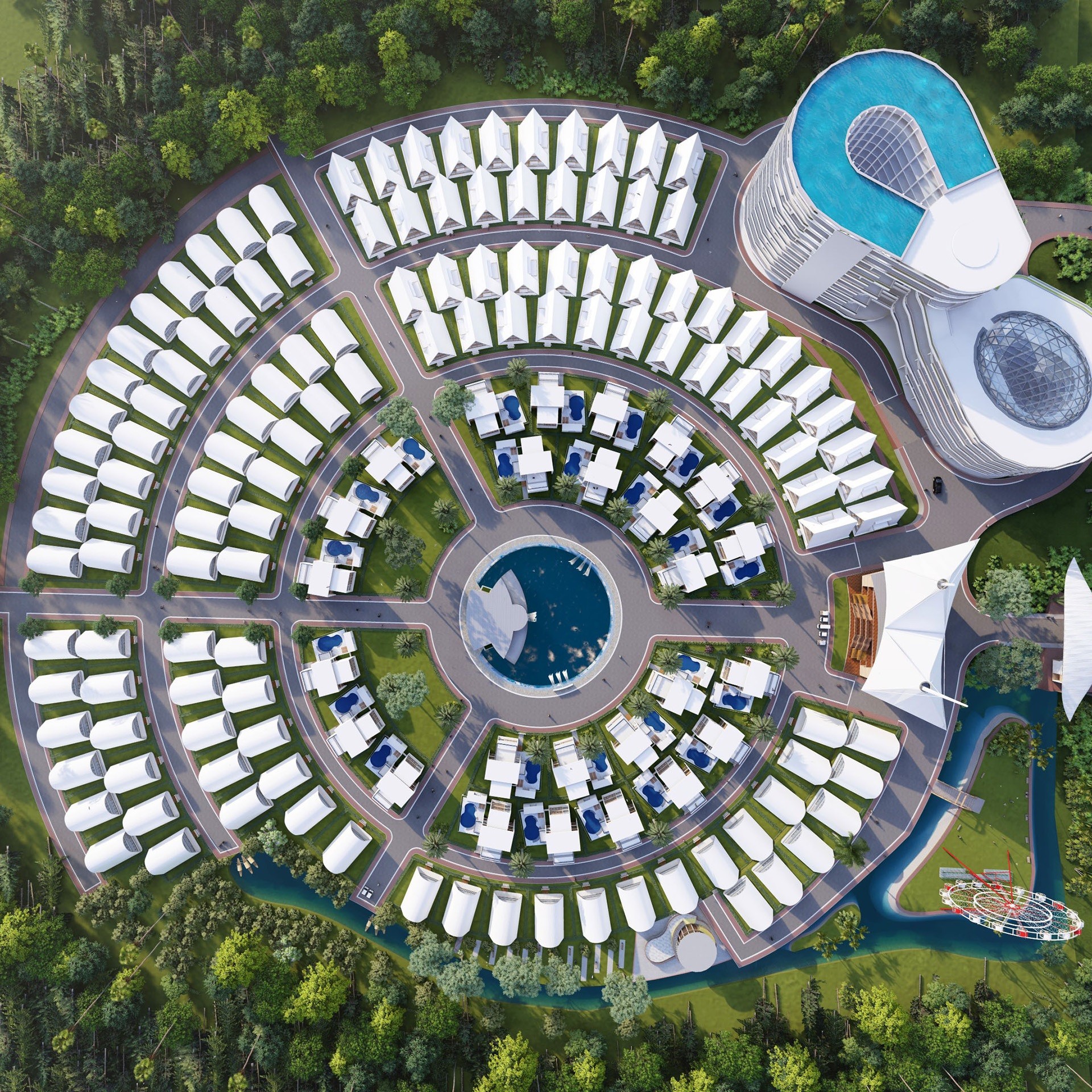
Sagarneela Luxury Resort in Kuakata applies this model directly - offering villa and hotel shares that let investors take a position in the region's coastal tourism growth without the full cost or operational responsibility of owning a standalone property.
Frequently Asked Questions
Is fractional ownership the same as a timeshare? No. Timeshares typically grant usage rights for a set period each year without real ownership equity. Fractional ownership means you hold an actual ownership stake in the property, which can appreciate in value and generally be sold or transferred.
How much capital do I need to start with fractional real estate ownership? This varies by developer and property, but fractional ownership is specifically designed to lower the entry point compared to buying a full property outright - a share can cost a fraction of the total asset value.
Can I sell my fractional ownership share later? In most models, yes, though resale terms depend on the specific developer's structure. It's important to confirm exit and transfer terms before investing.
Do I get to use the property personally, or is it purely an investment? Many fractional ownership models include a set number of personal-use nights per year in addition to investment returns, though this varies by project.
Is fractional ownership regulated in Bangladesh? Fractional real estate is a relatively newer investment model in Bangladesh, so it's important to review each developer's specific legal structure, registration process, and documentation carefully before investing.
Interested in seeing how fractional ownership works in practice? Explore Sagarneela Luxury Resort in Kuakata - villa and hotel share investment opportunities on Bangladesh's emerging southern coast.


0 Comment